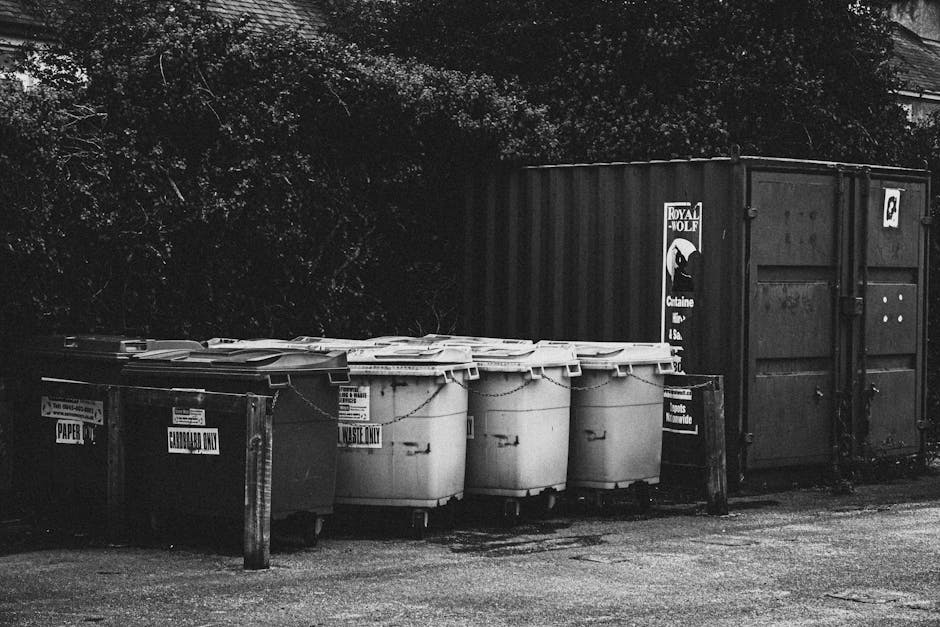
Camden rules for skip waste and disposal during removals NW6

If you are moving home or office in NW6, waste can become the messy bit nobody planned for. Broken shelves, old mattresses, flattened boxes, packing film, renovation offcuts, and those last awkward items that never quite fit in a van. Camden rules for skip waste and disposal during removals NW6 matter because the way you handle that waste can affect access, costs, timing, and whether your move runs smoothly or turns into a bit of a headache.
This guide explains the local practical side in plain English. You will learn what to think about before booking a skip, how waste disposal usually works during removals, what to avoid on the day, and how to stay on the right side of Camden expectations without overcomplicating things. Truth be told, a good move is often won or lost on the small details.
Whether you are clearing a flat near West Hampstead, shifting furniture out of a terrace, or managing a larger property move, a little planning goes a long way. And yes, that includes the ugly pile of packaging in the hallway.
Why Camden rules for skip waste and disposal during removals NW6 Matters
Waste management during a move is not just a neatness issue. In Camden, like most London boroughs, the practical rules around placing skips, disposing of mixed waste, and keeping pavements clear can affect whether your move feels controlled or chaotic. NW6 is a busy area, with narrow streets, shared access points, controlled parking, and the usual London squeeze that makes every metre count.
If you leave waste unmanaged, three things tend to happen. First, the move takes longer because the removal team has to work around piles of rubbish. Second, you may face avoidable extra costs, especially if the load has to be sorted late in the process. Third, you can create problems with access, neighbours, and local enforcement if waste blocks footpaths or is left in a way that invites complaints. Nobody wants that awkward note through the door.
There is also a quality-of-life angle here. During a move, your focus is already split between keys, inventory, utility changes, and keeping valuables safe. Clear waste planning reduces clutter, reduces stress, and helps everyone involved work faster. That alone is worth a lot on moving day.
Practical takeaway: think about waste before the first box is sealed. Once the hallway is full and the clock is ticking, decisions get more expensive.
How Camden rules for skip waste and disposal during removals NW6 Works
At a practical level, waste disposal during removals usually falls into three buckets: reuse, recycling, and disposal. In real life, that might mean keeping good furniture aside for donation or resale, separating cardboard and paper, and sending the unavoidable remainder to a licensed waste route. The key is not to treat everything as one mixed pile if it can be avoided.
If a skip is part of the plan, the big questions are location, contents, timing, and responsibility. In many London streets, a skip cannot just appear wherever it is convenient. You need to think about whether it will sit on private land, on the pavement, or in a parking bay. If it is on the public highway or another controlled area, permits or permissions may be needed depending on the exact circumstances. That is where local knowledge starts to matter.
For removals in NW6, timing matters just as much as the container itself. A skip left too early can block access and get in the way of packing. A skip delivered too late can mean the team is left with waste sitting in the property after the van has gone. You want the right balance, not a rubbish mountain outside the front door by Tuesday morning.
Most people also underestimate the importance of what goes into the waste stream. Heavy rubble, plaster, white goods, furniture, mixed household waste, and general packing materials are handled differently. Some items may need separate collection or special treatment. If you are unsure, it is better to ask before loading than to find out after the fact. That part is boring, yes, but it saves hassle.
Key Benefits and Practical Advantages
Following a sensible waste plan during removals in Camden has a few clear advantages. They are not glamorous, but they are real.
- Smoother moving day: fewer obstructions means faster loading and less back-and-forth.
- Lower risk of damage: clean pathways reduce the chance of scuffed walls, cracked items, or people tripping over loose packaging.
- Better use of labour: movers can focus on lifting and transport rather than working around waste piles.
- Improved compliance: you are less likely to run into local issues with skips, access, or improper disposal.
- Cleaner handover: whether you are vacating a rental or selling a property, leaving the place tidy is simply a better finish.
There is also a small but important confidence boost. When the waste is organised, the whole move feels more under control. You will notice it in the little things: easier hallway access, clearer decision-making, and less of that frantic last-minute scramble for somewhere to dump old bits of furniture.
And let's face it, moving is already stressful enough. A decent waste plan does not solve everything, but it takes one chunk of pressure off the table.
Who This Is For and When It Makes Sense
This topic matters most if you are doing any of the following in NW6:
- moving from a flat with bulky items to throw away
- clearing a house after years of accumulation
- disposing of packaging, old furniture, or non-essential belongings during a downsizing move
- managing office relocation waste such as filing cabinets, shelving, and packaging materials
- handling a partial renovation before or after a move
- working with a landlord, letting agent, or building manager who wants the property left tidy
If your move is small and tidy, you may only need a few sacks and a careful recycling plan. If it is larger, involves furniture disassembly, or includes awkward access through a shared entrance, then you need a more structured approach. Not every move needs a skip, to be fair. But every move does need a plan for rubbish.
For families, the issue is often volume. For flat-sharers, it is often timing and shared space. For offices, it is usually compliance and bulk disposal. Same topic, slightly different headache.
Step-by-Step Guidance
Here is a practical way to handle skip waste and disposal during removals in NW6 without overthinking it.
- Walk through the property early. Identify what is staying, what is going, and what is undecided. Be honest with yourself. That broken chair you have been "meaning to fix" is probably not coming with you.
- Separate reusable items first. Good-condition furniture, appliances, and boxes can sometimes be reused, donated, or sold. This reduces waste volume and can save money.
- Sort waste by type. Cardboard, soft plastics, general household waste, bulky furniture, and builder-style waste should not be treated as one catch-all pile if you can avoid it.
- Check the access route. Measure stairs, hallways, and frontage. In NW6, access can be the hidden problem. Narrow entrances and tight parking are very common.
- Decide whether a skip is actually the right tool. For some properties, a man-and-van removal with targeted disposal is more practical than a static skip. For others, a skip is ideal because waste is accumulating over a longer period.
- Confirm any permit or placement issues. If the skip needs to sit on a public road or controlled space, check the requirements before delivery. Do not leave this until the morning of the move.
- Book the timing carefully. Plan the skip delivery and collection around packing, loading, and any contractor access. A skip should support the move, not interfere with it.
- Keep prohibited items out. Certain materials and appliances may need special handling. When in doubt, ask rather than guess.
- Load safely and sensibly. Keep weight balanced and do not overfill. Loose waste flying out of the top is not a good look, and it is not safe either.
- Do a final sweep. Before the van leaves, check cupboards, loft spaces, under beds, and behind doors. The oddest things get left behind. Always.
If you want the broader move itself to run well, it helps to think about the move as one system: packing, access, transport, and disposal all working together. Services such as home moves and removal services can be part of that bigger picture when you need more than a simple van on the day.
Expert Tips for Better Results
A few small choices make a big difference.
Tip one: create a "do not move" zone. Keep waste, donations, and must-keep items in separate corners. It sounds obvious, but in a busy flat it is easy for everything to blur together. A bit of tape on the floor can help more than you might think.
Tip two: flatten what can be flattened. Cardboard boxes, packaging inserts, and dismantled flat-pack furniture take up less space and are easier to sort. The sound of a cardboard knife or a quick fold-down session at 8pm may not be glamorous, but it gets results.
Tip three: if you have bulky disposal items, factor them into the move schedule early. A sofa that is awkward to carry down a staircase can change the whole loading order. It is better to know that before the team is standing in the hallway, not after.
Tip four: document anything valuable that is being discarded. That is especially useful for office clearances or insurance-sensitive items. A quick photo record can help if there is any question later.
Tip five: be realistic about time. Waste sorting always takes longer than people expect. There is a reason the last hour of a move feels like a small storm. Give yourself a buffer.
One more thing: keep a few heavy-duty bags, tape, labels, and gloves handy. It is dull advice, yes, but that little kit has rescued more moves than I can count.
Common Mistakes to Avoid
Most waste problems during removals are avoidable. The mistake is usually not ignorance; it is rushing.
- Leaving waste decisions until moving day: by then, options are limited and stress is high.
- Mixing everything together: mixed loads can be harder to handle and may create extra disposal issues.
- Ignoring access constraints: a skip or van that blocks a narrow street can create delays fast.
- Underestimating volume: boxes, packaging, and old storage items add up very quickly.
- Assuming all items can go in the same route: some waste needs separate handling, especially if it is bulky or hazardous.
- Forgetting neighbour impact: a skip outside a shared property can cause friction if it is placed badly or left too long.
The most common one? Thinking, "We only have a few things." Then you open the loft, the under-stairs cupboard, and that spare room. Suddenly it is a different story.
Tools, Resources and Recommendations
You do not need fancy gear, but a few practical tools make waste management much easier:
- Sturdy gloves for handling rough packaging, splintered wood, and awkward items
- Heavy-duty bags for small waste, soft materials, and loose packaging
- Marker pens and labels to separate keep, donate, recycle, and dispose piles
- Tape measure for checking access, furniture dimensions, and skip placement space
- Basic dismantling tools for taking apart shelving, bed frames, or flat-pack units
- Protective covers for floors and door frames if waste needs to move through tight areas
On the service side, it helps to choose a provider that is clear about pricing, what is included, and how waste is managed. Pages like pricing and quotes, insurance and safety, and recycling and sustainability are useful if you want to understand the practical side before committing.
If your move involves more than household clutter, you may also want to look at man and van or furniture pick-up options where appropriate. Those can be a better fit than a full skip for certain loads. Simple, really.
Law, Compliance, Standards, or Best Practice
Waste disposal during removals is not something to treat casually. While the exact obligations depend on the waste type, placement, and who is handling it, a few broad best-practice principles always apply in the UK:
- Use a lawful and traceable waste route.
- Do not leave waste where it creates obstruction or nuisance.
- Keep potentially restricted items separate from general household rubbish.
- Make sure the person or company removing waste is appropriate for the task.
- Keep records where they are sensible, especially for larger clearances or commercial moves.
For Camden-based moves, local conditions matter. Street width, parking pressure, and access arrangements can make a basic disposal plan fail if it is not thought through properly. If a skip is being placed externally, the practical rule is simple: make sure it is positioned safely, legally, and without causing avoidable disruption. That sounds almost too obvious, but you would be surprised how often this gets skipped, no pun intended.
Best practice also means thinking about health and safety. Loading heavy items incorrectly, carrying broken waste down stairs, or blocking fire exits are all avoidable risks. If a property is cramped, consider whether the waste should be removed in smaller batches rather than moved all at once. Slower is sometimes safer, and safer is often faster in the long run.
If you are comparing providers, it is sensible to review their health and safety policy and terms and conditions. That does not mean you need to turn into a compliance expert overnight. Just check that the basics are covered.
Options, Methods, or Comparison Table
Different moves call for different waste methods. Here is a practical comparison to help you choose.
| Method | Best for | Pros | Watch-outs |
|---|---|---|---|
| Skip on private land | Larger clearances, ongoing waste, renovation debris | Convenient, handles volume well, less van traffic | Needs space, may not suit tight access, can attract permit issues if placed badly |
| Skip on street or public area | Properties without private frontage | Useful where access is limited | Placement rules, permit checks, neighbour impact, time limits |
| Man and van disposal | Smaller or mixed loads, flexible removals | Quick, adaptable, good for awkward access | Less efficient for large waste volumes |
| Separate recycling and donation route | Good-condition items, packaging, sorted waste | Can reduce disposal load and waste fees | Takes more sorting time, requires planning |
In many NW6 properties, the real answer is a combination. A bit of donation, a bit of recycling, a targeted pick-up, maybe a skip if the volume justifies it. That mixed approach often works better than forcing one method to do everything.
Case Study or Real-World Example
Here is a realistic example from the kind of move we often see in NW6. A couple were leaving a first-floor flat near the West Hampstead area. They had lived there for years, so the move involved more than just furniture. There were broken blinds, spare shelves, stacked cardboard from recent deliveries, an old mattress, and a few items from a small home office that no longer made sense to keep.
At first, they thought they only needed a van. Then the volume started to reveal itself, as it always does. The hallway filled quickly, the stairs were narrow, and the lift situation was not exactly generous. So they split the load into three parts: keep, recycle, and dispose. A few usable items were set aside for donation. Cardboard was flattened and bundled. The bulk waste was handled separately so it did not slow the moving team down.
The difference was noticeable. Loading was faster, the exit route stayed clear, and the property was handed over in a much tidier state. Nothing dramatic. Just calmer. That is the real win here. The move felt organised rather than frantic, and everybody got to breathe a little easier near the end.
Would it have worked without that sorting step? Probably, eventually. But it would have taken longer, cost more in effort, and created a mess nobody needed.
Practical Checklist
Use this checklist a day or two before moving:
- Walk through every room and identify waste early
- Separate keep, donate, recycle, and dispose items
- Measure access points, stairs, and frontage
- Check whether skip placement needs extra permission or planning
- Confirm collection timing so waste does not block the move
- Flatten cardboard and break down obvious bulky packaging
- Keep hazardous or unusual items separate until you know the correct route
- Label bags and boxes clearly
- Protect floors and walls if waste has to pass through tight spaces
- Do one final sweep of cupboards, lofts, sheds, and under-bed storage
Quick reminder: if something feels awkward to move, it probably needs a separate plan. Do not leave that decision until the last ten minutes. That is when people start making odd choices.
For extra help planning the move itself, it can be useful to review removals and about us information so you understand how the service is structured and what kind of support is available.
Conclusion
Camden rules for skip waste and disposal during removals NW6 are really about making the move safer, tidier, and easier to control. If you plan waste early, sort it properly, and think about access before the lorry arrives, the whole day becomes more manageable. That is especially true in NW6, where space is tight and timing matters.
The best moves are not always the ones with the biggest team or the fanciest van. Often, they are the ones where somebody took waste seriously from the start. A clear hallway, a sensible disposal plan, and a little local awareness can save a lot of stress. Small thing, big difference.
If you are weighing up the most practical way to handle waste, access, and the rest of your move, it helps to speak to a team that understands local conditions and can keep things straightforward.
Get a free quote today and see how much you can save.
And once the last box is out and the flat is quiet again, that empty-room feeling can be oddly satisfying. A bit of dust, a few echoes, and a clean finish. Not bad at all.
Frequently Asked Questions
Do I need a skip for a normal house move in NW6?
Not always. If you only have a small amount of waste, bags, flat-packed boxes, or a few unwanted items, a skip may be unnecessary. For larger clearances, renovation debris, or bulky furniture, it can be a practical option. The right answer depends on volume, access, and timing.
Can I put mixed household waste in a skip during a move?
In many cases, yes, but only if the skip provider allows that type of load. Mixed waste can be harder to sort and may affect disposal handling. If you can separate cardboard, reusable items, and bulky waste first, it usually works out better.
What if the skip has to go on the road?
If a skip is placed on a public road or another controlled space, additional checks or permissions may be needed. The practical point is simple: do not assume road placement is automatic. Confirm the arrangement before delivery so the move is not delayed.
Are there items I should never throw in with removals waste?
Yes. Certain items need separate treatment or special handling, and some loads may be restricted altogether. If you are unsure about an appliance, chemical product, battery, or unusual material, ask first rather than loading it blindly.
How can I reduce waste costs during removals?
Sort items early, flatten cardboard, donate usable furniture, and avoid paying to dispose of things that could be reused. The less mixed waste you create, the more control you usually have over the final cost. It sounds basic, but it works.
Is a man and van better than a skip for small moves?
Often, yes. For smaller loads or awkward access, a man-and-van style service can be more flexible than a skip. If waste volume is modest, this route can be simpler and quicker. For larger or ongoing waste, a skip may still make more sense.
How far in advance should I plan waste disposal for a Camden move?
Ideally, start planning a few days before the move, or earlier if you have bulky items. That gives you time to sort waste, confirm access, and avoid last-minute pressure. The earlier you check, the fewer surprises you will get on the day.
What if I am moving from a flat with narrow stairs?
Narrow stairs make waste handling more sensitive, so plan smaller loads, lighter bags, and clearer pathways. In tight Victorian-style properties, moving waste in stages is often safer than trying to shift everything at once. A bit slower, but much less stressful.
Can waste disposal be combined with furniture collection?
Yes, in some cases it can. If you have a mix of unwanted furniture and smaller waste, a combined approach may be the most efficient. Just make sure the items are described clearly so the collection plan matches what is actually there.
What is the biggest mistake people make with removal waste?
The biggest mistake is leaving it too late. Once boxes pile up and the van is due, waste turns into a delay rather than a task. Early sorting, realistic planning, and a clear disposal route make a far bigger difference than most people expect.
How do I know whether a provider is handling waste responsibly?
Look for clear information on safety, pricing, recycling, and terms. A responsible provider should be able to explain how waste is handled and what is included. If anything sounds vague, ask direct questions before booking.
Is it worth checking company policies before booking removal help?
Yes. Policies on safety, insurance, payment, and complaints tell you a lot about how a company works. It is not the glamorous part of moving, but it is one of the useful parts. A few minutes of checking can save a lot of bother later.
What should I do with items I am not sure about?
Put them aside and ask for guidance before the move starts. Items that sit in the grey area often cause the most confusion, especially when time is tight. When in doubt, separate them rather than guessing.