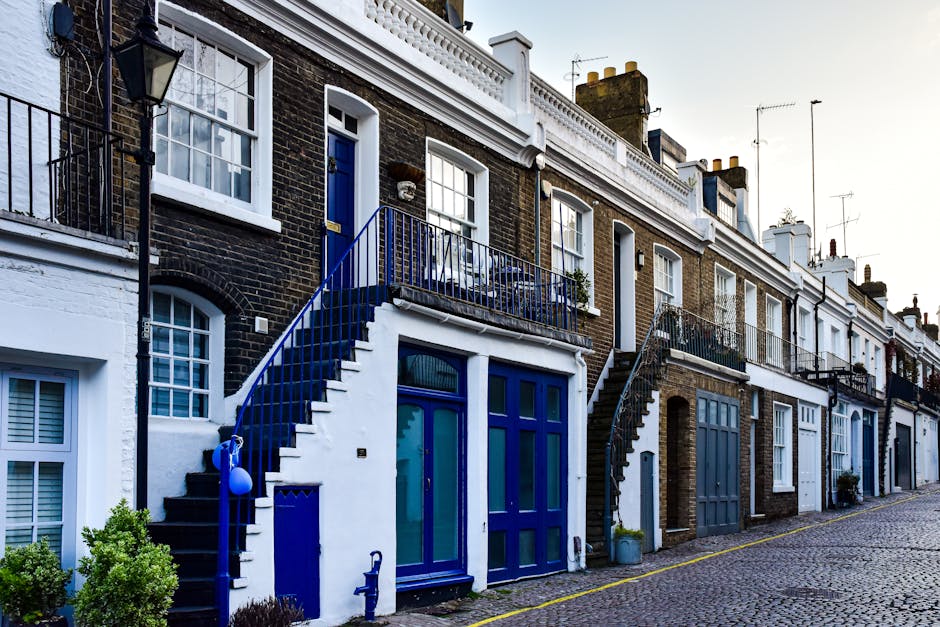
Mill Lane flat removals checklist West Hampstead NW6
If you are moving out of a flat on or near Mill Lane in West Hampstead NW6, a proper checklist saves time, money and a fair bit of stress. Flats can look simple on paper, but the reality is often a tight stairwell, awkward parking, a lift that is smaller than you hoped, and neighbours who really would like the hallway clear by 8am. This guide walks you through a practical Mill Lane flat removals checklist West Hampstead NW6, so you can plan the move properly, avoid last-minute panic, and make the day feel organised rather than chaotic.
You will find the key steps, common mistakes, local considerations, and a realistic way to prepare for flat removals in London. If you want broader background on service options, you may also find the general overview of removal services useful while you plan.
Table of Contents
- Why Mill Lane flat removals checklist West Hampstead NW6 Matters
- How Mill Lane flat removals checklist West Hampstead NW6 Works
- Key Benefits and Practical Advantages
- Who This Is For and When It Makes Sense
- Step-by-Step Guidance
- Expert Tips for Better Results
- Common Mistakes to Avoid
- Tools, Resources and Recommendations
- Law, Compliance, Standards, or Best Practice
- Options, Methods, or Comparison Table
- Case Study or Real-World Example
- Practical Checklist
- Conclusion
- Frequently Asked Questions
Why Mill Lane flat removals checklist West Hampstead NW6 Matters
Flat moves are rarely just about loading boxes. In West Hampstead, the small details matter: parking restrictions, shared entrances, narrow internal stairs, timing around neighbours, and the simple fact that one missing item can derail the rest of the day. A solid checklist turns a stressful move into a sequence of manageable jobs.
That is especially true for flats, where access can be the real bottleneck. If you have ever tried to squeeze a mattress around a turn in a stairwell, you will know the feeling. It is not exactly elegant. A checklist helps you think ahead about access, packing order, lift protection, keys, utilities, and the handover. It also reduces the chance of damage, forgotten items, and those slightly embarrassing moments where someone is waiting outside with a van while you hunt for the meter box key.
Truth be told, the checklist is just as useful for renters as it is for owners. It helps you keep control of the move rather than leaving everything to the final two hours.
How Mill Lane flat removals checklist West Hampstead NW6 Works
The process works best when you divide the move into stages: pre-move preparation, packing, move-day logistics, transport, and the final settling-in stage. Each stage has a few tasks that are easy to miss if you are doing everything in your head. On paper, that is fine. In real life, it is how socks vanish and mirrors get left behind.
For a Mill Lane flat move, the checklist should focus on four practical things:
- Access - how the team will reach the flat, carry items out, and park safely.
- Packing order - what gets packed first, what must stay with you, and what needs labels.
- Protection - how furniture, corners, floors and fragile items are safeguarded.
- Timing - when to confirm keys, arrival windows, and the final handover.
The most effective moves usually start with a quick survey of the property. That does not need to be dramatic. Just a realistic look at stairs, door widths, tight corners, lift size, and whether large items need partial dismantling. If you are comparing types of move support, a local man and van arrangement can suit smaller flat moves, while a larger home moves service may be better when there is more furniture, more boxes, or less time to do the work yourself.
Key Benefits and Practical Advantages
A good checklist is not just tidy planning. It has real, practical advantages that show up on moving day.
- Less stress - you are not improvising every ten minutes.
- Fewer damaged items - fragile things get packed and handled properly.
- Smoother timing - everyone knows what happens next.
- Better use of labour - the moving team can work without delay.
- Cleaner handover - you are less likely to leave something behind.
- Lower risk of extra charges - especially where delays or access issues would otherwise waste time.
There is also a quieter benefit that people sometimes overlook: a checklist helps you sleep better the night before. Not brilliantly, let's be honest, but better. You know where the essentials are, what is still unfinished, and what will happen when the van arrives.
If you are sorting costs too, it helps to read about pricing and quotes early in the process so the checklist and the budget stay aligned. Nobody likes a surprise invoice after a long day carrying boxes down three flights of stairs.
Who This Is For and When It Makes Sense
This checklist is for anyone moving from a flat in or around Mill Lane, particularly if the property has shared access, limited parking, or more than a few pieces of furniture. It is especially relevant for:
- tenants moving out at the end of a lease
- first-time buyers moving into a flat
- couples downsizing to a smaller place
- busy professionals who need the move done quickly
- families moving between flats and wanting less disruption
- landlords or agents helping to coordinate a flat handover
It also makes sense if you are deciding between doing part of the move yourself and hiring help. For example, you might pack the smaller items yourself but bring in a professional team for furniture, bulky appliances, or anything awkward to carry. That kind of mixed approach can work well in London flats, where stairs and access are often the real challenge.
If you are searching for a simple, no-fuss setup, a man with van option may be enough for lighter moves. For bigger jobs, a more structured removals service can be easier to coordinate.
Step-by-Step Guidance
Here is a practical way to handle the move without turning your week upside down.
1. Confirm the moving date and access arrangements
Start by checking the moving date, key handover time, and whether there are any building rules about lift use, loading bays, or move windows. In flats, timing can be everything. If access is restricted, the best packing in the world will not help much.
2. Measure the awkward bits
Measure larger furniture, doorways, hallways, and stair turns. A sofa that looks fine in the lounge can suddenly become a very smug obstacle at the top of the stairs. It happens more than people expect.
3. Sort and declutter before you pack
Do not pay to move things you no longer need. Be ruthless with duplicates, worn-out items, and the box of cables nobody knows the purpose of. Flat moves are a good moment to reduce clutter before it follows you into a new home.
4. Gather packing materials early
You will want strong boxes, tape, labels, marker pens, wrapping paper, bubble wrap, mattress covers and, where needed, furniture blankets. If you are using a professional packing option, consider packing and unpacking services for fragile or time-sensitive items.
5. Pack room by room
Keep it simple. One room at a time. Label each box with the room name and a short contents note. For example: "Kitchen - mugs and dry food" is far better than "misc.", which is really just packing optimism.
6. Keep essentials separate
Create one bag or box for the first night: chargers, toiletries, medication, tea, kettle, snacks, basic tools, documents, keys, and a change of clothes. If the move runs late, you will be glad you did.
7. Dismantle furniture if needed
Take apart bed frames, tables, or shelving only when you are sure you can reassemble them later. Put screws and fittings in clearly labelled bags and tape them to the relevant item. It sounds fussy. It saves hours.
8. Protect the property and common areas
Use coverings for floors and corners where appropriate. In flats, hallways and stairwells can be tight, and it is respectful to keep shared areas tidy and safe.
9. Do a final sweep before loading
Check cupboards, drawers, lofts, storage cages, behind doors, and under beds. You would be surprised how often something valuable gets left in the very place you were sure you had already checked.
10. Carry out the final handover
Once everything is out, take meter readings if needed, return keys as agreed, and leave the flat reasonably clean. If there are any notes from landlord or agent, deal with them calmly and promptly. It is the final box to tick, really.
Expert Tips for Better Results
Small adjustments often make the biggest difference in a flat move.
- Label on the side, not just the top so boxes are readable when stacked.
- Pack heavy items in smaller boxes to avoid strained backs and split cartons.
- Keep one tool kit handy for dismantling, assembling and quick fixes.
- Wrap fragile items individually rather than bundling too many together.
- Book the moving help before you finish packing so you are not left scrambling.
- Prepare the route out of the flat by removing mats, plant pots and anything likely to snag.
One practical trick we often recommend: pack by "first-use priority", not just by room. Things you need straight away at the new flat should be loaded last, or at least kept easy to reach. That saves a lot of rummaging when you arrive tired and slightly dust-covered, which is not glamorous but very real.
If sustainability matters to you, it can also help to look at recycling and sustainability options so unwanted items are handled responsibly. Less waste, less hassle, and a cleaner exit from the old place.
Common Mistakes to Avoid
Most moving problems are preventable. The issue is usually not lack of effort; it is trying to do too much too late.
- Leaving packing until the final night - this is the classic stress-maker.
- Ignoring access restrictions - especially if the building has narrow entry points or shared areas.
- Underestimating the number of boxes - flats often hide more belongings than you think.
- Forgetting small essentials - chargers, keys, documents and cleaning items disappear easily.
- Not checking furniture dimensions - if it won't fit, it won't fit. No amount of hope changes that.
- Mixing fragile and heavy items - a recipe for broken glasses and grumpy faces.
Another common slip is assuming the move team will automatically know everything about the building. They might know the routine, but you still need to flag special details: lift bookings, resident access codes, or awkward parking conditions. Clear communication beats guesswork every time.
Tools, Resources and Recommendations
You do not need a huge kit to do this well. A few reliable tools go a long way.
| Item | Why it helps | Best used for |
|---|---|---|
| Strong double-walled boxes | Better for heavier and fragile loads | Books, kitchenware, mixed contents |
| Packing tape and dispenser | Speeds up sealing and reduces failed closures | All box packing |
| Marker pens and labels | Makes unloading and room placement much easier | Room-by-room organisation |
| Furniture blankets | Reduces knocks and scratches | Tables, wardrobes, drawers |
| Mattress bags | Keeps mattresses clean during transit | Beds and bedding items |
| Basic tool kit | Useful for dismantling and reassembly | Flat-pack furniture, beds, shelves |
For larger or more complicated moves, it can be worth comparing different vehicle and labour options. A dedicated removal van may suit a modest flat move, while removal truck hire can be more appropriate if the load is substantial. The right choice depends on access, volume and how much help you need on the day.
If you want to understand the team behind the service before booking, the company's about us page can help set expectations around how they work and what they prioritise.
Law, Compliance, Standards, or Best Practice
Flat removals in London are not usually complicated from a legal perspective, but there are still sensible standards to follow. These are mostly about access, safety, landlord or building rules, and care for neighbours and shared spaces.
- Parking and access - check local parking rules and building restrictions before the move.
- Building regulations - some blocks require lift booking, advance notice, or move protection for walls and floors.
- Health and safety - lifting should be sensible, loads should be managed safely, and routes should be kept clear.
- Insurance - it is wise to understand what cover is included for goods in transit and accidental damage.
- Property condition - final cleaning and repairs may matter for deposit returns or sales handover.
If you are hiring a company, it is sensible to review their insurance and safety information and their health and safety policy. You do not need to become a compliance expert, but you do want to know the basics. That is just common sense.
For payment terms and what is expected before or after the move, the page on payment and security can also be helpful. Clear terms reduce confusion, which is always welcome on moving day.
Options, Methods, or Comparison Table
Different flat moves need different setups. A quick comparison can help you decide what suits your situation best.
| Option | Best for | Pros | Watch out for |
|---|---|---|---|
| DIY with a hired van | Small loads, confident packers | Lower cost, more control | More lifting, more time, more risk of delays |
| Man and van | One-bedroom flats, lighter moves | Flexible, practical, simple to arrange | May be limited for larger furniture or many boxes |
| Full removals team | Busy households, bigger flat moves | More labour, better efficiency, less strain | Usually costs more, but can save time and hassle |
There is no single right answer. A compact studio with minimal furniture may be perfect for a smaller vehicle and a couple of hands. A two-bed flat with appliances, boxes, and awkward stairs is a very different story. As a rule, match the service to the job, not to the label.
Case Study or Real-World Example
Picture a fairly typical Mill Lane flat move: one-bedroom apartment, second floor, shared entrance, and a narrow stairwell that turns sharply halfway down. The tenants have been there two years, so the amount of stuff is modest but not tiny. Nothing outrageous. Just enough to be annoying if left until the last minute.
In the week before the move, they sort books, clothes and kitchenware into labelled boxes, dismantle the bed frame, and separate one bag of essentials for the first night. They also measure the sofa and realise, fortunately, that it will fit through the stairwell only if it is turned on its side and the cushions removed. That small bit of planning saves a lot of muttering on the day.
On move morning, the team arrives with a clear route, the largest items come out first, and the flat is emptied without damage to the walls. The difference was not magic. It was just preparation. A decent checklist, a realistic plan, and a bit of patience. Honestly, that is half the battle.
That same move might have gone very differently if the tenants had packed late, ignored the furniture measurements, and failed to reserve the right access window. The van would still have arrived, but the day would have been longer, louder, and much less pleasant.
Practical Checklist
Use this as your working list in the days leading up to the move.
Two weeks before
- Confirm the moving date and access arrangements
- Book your chosen removals help
- Start decluttering cupboards, loft space and storage areas
- Collect boxes, tape, labels and wrapping materials
- Check any building or landlord rules
One week before
- Pack non-essential items
- Label every box clearly
- Measure bulky furniture and awkward items
- Arrange parking or loading access if needed
- Notify utilities and update address details where appropriate
Two days before
- Pack the essentials box or bag
- Defrost and clean the fridge if needed
- Finish dismantling furniture
- Set aside important documents and valuables
- Confirm arrival time with the moving team
On moving day
- Keep hallways clear
- Protect floors and corners where needed
- Do a final room-by-room check
- Take meter readings if applicable
- Hand over keys as agreed
After the move
- Unpack essentials first
- Check for damage or missing items
- Reassemble furniture safely
- Update any remaining address records
- Dispose of packing waste responsibly
Key takeaway: the best flat removals checklist is the one you actually use. Keep it simple enough to follow, but detailed enough to stop surprises. That balance matters more than people think.
Conclusion
A Mill Lane flat removals checklist West Hampstead NW6 is really about control: knowing what needs doing, when it needs doing, and who is doing it. Once the boxes are labelled, the furniture is measured, and the access plan is clear, the move becomes much easier to manage. You still have a day of lifting, lifting, and more lifting perhaps, but at least it is structured. And that makes a huge difference.
If you want a cleaner, calmer move, take the time to prepare properly, choose the right service level, and keep the essentials close at hand. A bit of planning now can save a lot of heavy breathing later. And when you arrive at the new place, with the kettle on and the first box opened, it all starts to feel worth it.
Get a free quote today and see how much you can save.
Frequently Asked Questions
What should be on a flat removals checklist for Mill Lane in West Hampstead NW6?
It should cover access, packing materials, furniture measurements, parking arrangements, essentials packing, final cleaning, and key handover. The more awkward the building access, the more important the checklist becomes.
How early should I start packing before a flat move?
Ideally, start at least one to two weeks in advance if you can. Begin with rarely used items first, then move toward everyday essentials near the end. Leaving it all until the last 24 hours is risky, and a bit cruel on yourself.
Do I need professional removals for a small flat?
Not always. A small flat with light furniture and a short distance may work well with a man and van setup or even DIY support. If the stairs are tight, the load is heavy, or time is limited, professional help is usually worth considering.
How do I know if my sofa or bed will fit through the stairwell?
Measure the furniture and the narrowest points in the route, including turns, door frames and landings. If it looks tight, dismantling may be the safest option. Do not assume it will "probably be fine" - that phrase causes trouble.
What is the most commonly forgotten item when moving flat?
Chargers, keys, basic tools, toiletries, and small items tucked into drawers are all common misses. A final room-by-room sweep usually catches them, as long as you do not rush it.
Should I pack valuables myself?
Yes, that is usually the safest choice. Passports, jewellery, documents, laptops and sentimental items are best kept separate and carried with you.
What is the difference between a man and van and a full removals service?
A man and van service is usually better for smaller, lighter moves or single-trip transport. A full removals service is more suitable for larger flats, more furniture, and moves that need extra labour or planning.
How can I reduce stress on moving day?
Label everything clearly, keep your essentials separate, confirm access in advance, and avoid last-minute packing. Stress drops sharply when people know where things are and what happens next.
Do I need to clean the flat before I leave?
In most cases, yes, especially if you want to leave a good impression or protect a deposit. Focus on kitchens, bathrooms, floors, cupboards and any obvious marks or dust.
What should I check before hiring a removals company?
Look at the service scope, insurance, safety practices, payment terms, and whether the team understands flat access issues. It also helps to check the company's contact details and policies so you know who to speak to if plans change.
Can I combine packing help with transport only?
Yes, that is often a sensible middle ground. Some people pack most items themselves and bring in support for fragile goods, furniture, or the actual lifting and transport. It is a practical compromise, not a shortcut.
What should I do if the move is delayed?
Stay in touch with the removals team, keep the essentials with you, and prioritise access and timing updates. Delays are frustrating, but clear communication usually keeps them manageable.