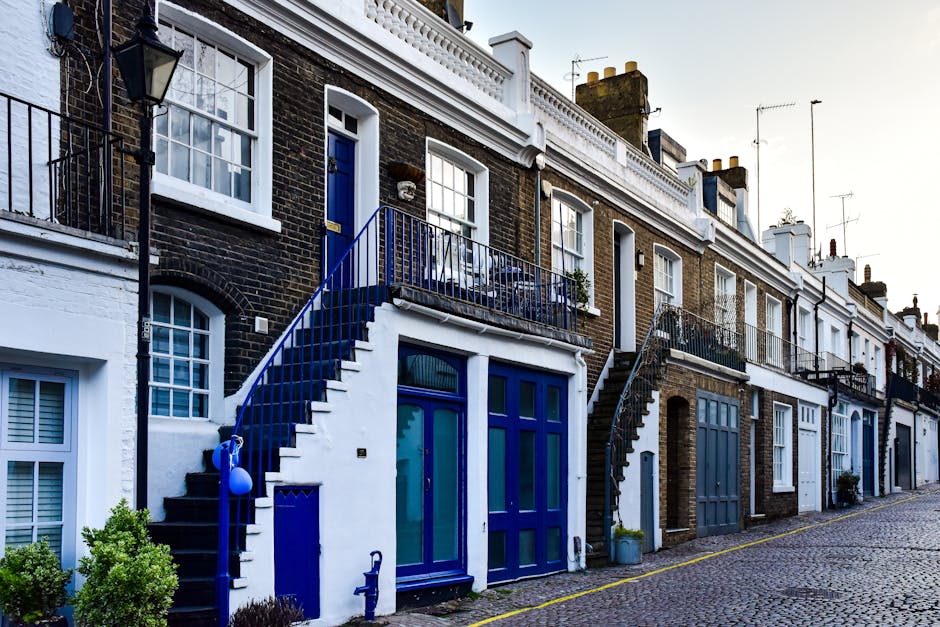
West End Lane NW6 Removals Guide for Narrow Staircases
Moving out of a flat with a tight staircase can feel like a puzzle you did not ask for. On West End Lane NW6, that puzzle is a familiar one: narrow landings, awkward turns, older conversions, and furniture that suddenly seems much bigger than it did in the living room. This West End Lane NW6 removals guide for narrow staircases is here to make the job feel manageable, not chaotic. You will find practical steps, real-world precautions, and sensible ways to protect your belongings, your walls, and your nerves. Truth be told, a careful plan often matters more than brute force.
Whether you are moving a family home, a top-floor flat, or a room full of bulky furniture, the same rule applies: measure first, protect surfaces, and keep the route clear. If you need a broader overview of local moving services, it can also help to look at the company's removal services overview or the dedicated flat removals in West Hampstead page before you book anything.
Table of Contents
- Why narrow staircase removals on West End Lane matter
- How the moving process works in tight stairwells
- Key benefits and practical advantages
- Who this is for and when it makes sense
- Step-by-step guidance for a safer move
- Expert tips for better results
- Common mistakes to avoid
- Tools, resources, and recommendations
- Law, compliance, standards, and best practice
- Options, methods, and comparison table
- Case study or real-world example
- Practical checklist
- Conclusion
- Frequently asked questions
Why West End Lane NW6 removals guide for narrow staircases Matters
West End Lane and the surrounding NW6 streets include a mix of period conversions, maisonettes, compact apartments, and older buildings where staircases were never designed with modern furniture in mind. That matters because removals in these properties are rarely about speed alone. They are about access, control, and avoiding damage in a space where one bad turn can scuff a wall or trap a wardrobe halfway up the stairs.
Narrow staircases create a few obvious pressures. Large items may not turn on the landing. Boxed items may get stacked too high. Movers may need to rotate sofas, beds, headboards, or washing machines at awkward angles. And if you are on a busy residential street, timing and parking can become part of the challenge too. It is a bit of a balancing act, to be fair.
The biggest mistake people make is assuming the move is just a smaller version of a normal house removal. It is not. A tight stairwell changes the whole method. It often means more pre-planning, more packing care, and sometimes a different vehicle choice. For a better sense of what that can look like, the team behind house removals in West Hampstead and removal van hire is used to working around local access constraints.
Expert takeaway: in narrow-staircase moves, the route is part of the inventory. If a sofa, table, or mattress cannot safely travel from front room to van, the move plan needs adjusting before moving day, not during it.
How West End Lane NW6 removals guide for narrow staircases Works
A good staircase move starts long before anyone lifts a box. The process usually begins with a survey, even if it is a quick one by phone or video. You want to know the dimensions of the largest items, the width of the narrowest point in the staircase, the height of the ceiling on each landing, and whether there are any awkward bends, banisters, or door frames in the way. Sounds obvious. People still miss it.
Once access is understood, the next step is deciding how the move should be handled. Some jobs work fine with a standard two-person crew and a van. Others need more hands, more padding, or a split load approach. In some cases, furniture may be dismantled before it ever touches the stairs. That is usually better than trying to "make it fit" on the day. If you are unsure which service style suits your move, the local man and van service can suit lighter loads, while fuller relocations may be better matched with full removals in West Hampstead.
The actual move often follows a simple rhythm:
- Protect walls, corners, banisters, and floors.
- Carry smaller items first to keep the route clear.
- Move the heaviest or most awkward furniture with enough lifting control.
- Rotate and pause at landings rather than forcing a turn.
- Load the van strategically so nothing fragile ends up beneath heavy items.
That last part matters more than people think. If the van is packed badly, the careful staircase work can be wasted in the final five minutes. A sensible load order and good packing strategy go hand in hand, which is why many customers combine their move with packing and boxes support.
Key Benefits and Practical Advantages
The point of planning a narrow-staircase move properly is not just to avoid accidents. It is also about making the day calmer and more efficient. When everyone knows the route and the handling plan, the move tends to feel more controlled. And that is a very good thing when you are carrying a wardrobe down a staircase that seems to have developed a personal grudge against you.
- Less damage risk: careful route planning helps protect walls, railings, paintwork, and furniture edges.
- Faster decision-making: once measurements are known, movers can choose the right method without guesswork.
- Better furniture survival: dismantling, wrapping, and correct lifting reduce the chance of stress cracks or scratches.
- Reduced strain: the team avoids awkward lifts that could cause injury or fatigue.
- More predictable timing: a realistic plan is usually quicker than repeated failed attempts on the staircase.
There is also a quiet financial advantage. Avoiding damage to bannisters, walls, or furniture can save a lot of hassle later. Not glamorous, perhaps, but it is the kind of practical win people appreciate once the boxes are unpacked and the kettle is finally on.
Who This Is For and When It Makes Sense
This guide is especially useful if you live in or around West End Lane NW6 and any of the following sound familiar:
- you are moving from a top-floor flat with a narrow stairwell
- your furniture includes large sofas, wardrobes, bed frames, or white goods
- the staircase has a tight bend or a small landing
- you are moving on a street where parking and unloading need careful coordination
- you want to avoid damage in a rented flat, where deposit deductions can become a headache
- you need a relatively quick but organised move, perhaps with a smaller load
Students, first-time renters, landlords, downsizers, and families all run into this issue. In fact, a lot of people only realise the staircase is a problem once they are standing in the hallway with a sofa that has nowhere to go. That is exactly why a calm, measured approach matters.
If your move is time-sensitive, for example around the end of a tenancy or a short completion window, the option of same-day removals in West Hampstead may be worth considering, though availability and suitability will depend on access and load size.
Step-by-Step Guidance
Here is a practical way to organise the move so the staircase stops being the main character in the story.
1. Measure everything that matters
Take the width of the narrowest part of the staircase, the height and width of landings, and the dimensions of large furniture. Measure door frames too. If you are moving a mattress, measure it in its protective cover as well, because those few extra centimetres can make a difference.
2. Decide what should be dismantled
Flat-pack furniture, bed frames, shelving, and some tables may be easier to move in pieces. The more an item can be reduced in size, the less pressure there is on the staircase. Keep screws, brackets, and small fittings in labelled bags. Tiny thing, big relief later.
3. Protect the property before anything moves
Use floor runners, corner guards, blankets, and padded wraps for high-contact areas. If the stairwell has a painted banister or tight plaster corners, protect those first. Repairs after a move are never as cheap as people imagine.
4. Pack with the staircase in mind
Heavy items belong in small boxes. Light but bulky items should not be overfilled. Keep a clear path at both ends of the staircase. Boxes left on landings can become a tripping hazard very quickly, especially when everyone is carrying different things at once.
5. Schedule the move at a sensible time
Morning moves often feel easier because the building is quieter, parking tends to be simpler, and everyone has more energy. If you live in a busy shared building, mention the move to neighbours in advance. It is a small courtesy, but it can prevent a lot of awkwardness.
6. Load and unload with the exit route in mind
Keep the route from flat to van as short and clear as possible. On a tight staircase, pace matters. A careful pause on the landing is better than forcing a turn and knocking a frame into the wall. The best crews work steadily, not frantically.
7. Do a final walk-through
Before leaving, check cupboards, loft spaces, wardrobes, and storage corners. On moving day, people forget drawers, chargers, wall hooks, and the odd item sitting behind a door. It happens all the time.
Expert Tips for Better Results
Here are the little habits that make a big difference on a narrow-staircase move.
- Remove doors where needed: if a door blocks a turning point, taking it off briefly can save time and damage.
- Use proper lifting paths: keep the item close to the body and communicate every turn clearly.
- Wrap fragile furniture edges: table corners and bed heads take knocks easily in tight spaces.
- Label boxes by room and priority: your first-night essentials should not be buried under books and winter coats.
- Avoid overpacking bags: bags are awkward on stairs if they bulge or swing.
- Keep one person free for spotting: a spotter helps guide turns and protect walls.
If the staircase is especially awkward, a practical local mover may suggest combining a smaller vehicle with multiple trips rather than one overloaded van run. That is not a downgrade. Often it is the smarter choice. If you are comparing service styles, the local man with a van option can work well for lighter, quicker jobs, while larger homes may benefit from a broader house removals service.
Small detail, big impact: tape can leave residue on painted wood, so use protective materials that suit the property rather than sticking things directly to surfaces wherever possible.
Common Mistakes to Avoid
Most staircase problems are preventable. The trouble is that people tend to discover them on the day. A bit late, obviously.
- Skipping measurements: guessing the furniture will fit is the fastest route to stress.
- Leaving packing until the last minute: rushed packing produces heavy, awkward boxes that are hard to carry safely.
- Ignoring landings and corners: the staircase width alone does not tell the full story.
- Using oversized boxes: they may be fine on paper, but they become unwieldy on narrow stairs.
- Forcing items through: if something is not fitting, stop and reassess before damage happens.
- Not checking parking access: an easy move indoors can still be slowed by poor street access outside.
- Forgetting insurance and responsibility: if the move is damaged by poor handling, it can become a frustrating dispute.
One particularly common issue is the "we only need to tilt it a little" approach. That tiny tilt can be the thing that snaps a shelf, marks a wall, or jams the item against the banister. Safer to slow down and rethink the angle than to gamble on it.
Tools, Resources and Recommendations
You do not need specialist equipment for every move, but the right basics make a huge difference. For narrow staircases, the most useful tools are often the simplest ones.
| Tool or resource | Why it helps | Best used for |
|---|---|---|
| Furniture blankets and wraps | Protects furniture edges and painted surfaces | Sofas, tables, wardrobes, headboards |
| Floor runners | Reduces scuffs and slips on stairs and hallways | Shared entrances, long carries, rental properties |
| Ratchet straps and ties | Keeps items secure during van transport | Appliances, flat-pack furniture, mixed loads |
| Labels and marker pens | Makes unpacking faster and less chaotic | Room-based packing, fragile items, priority boxes |
| Storage options | Useful if access, timing, or completion dates do not align | Staggered moves, downsizing, renovations |
If you need to delay delivery, clear a room first, or split the move over several days, it can help to look at storage in West Hampstead. And if you want a clearer view of pricing before deciding, the pricing and quotes page is a sensible place to start.
For anyone moving bulky specialist items, such as instruments or awkward antique pieces, the same staircase principles apply, but the handling becomes more exacting. That is especially true for piano removals, where weight distribution and protection matter far more than most people expect.
Law, Compliance, Standards, or Best Practice
For a residential move like this, there are usually no special legal hurdles unique to narrow staircases, but there are still important best-practice and duty-of-care considerations. Removal work should be handled with appropriate care for safety, property protection, and the people involved. In the UK, that generally means sensible manual handling, risk awareness, and clear communication on the day.
From a practical standpoint, this includes:
- not attempting lifts that are clearly unsafe
- making sure routes are free from trip hazards
- using enough people for the weight and shape of the item
- protecting shared areas in flats and maisonettes
- being clear about what is and is not included in the move arrangement
It is also wise to understand how any provider handles responsibility, protection, and complaints. A clear insurance and safety policy and straightforward terms and conditions help set expectations. If accessibility matters to you or someone in the building, the company's accessibility statement may also be useful to review.
For a local customer, the best practice is simple: ask questions before moving day. What happens if an item will not fit? Will furniture be dismantled? How are hallways protected? Who is responsible for packing fragile items? Those are good questions. Good ones.
Options, Methods, or Comparison Table
There is no single correct way to handle a narrow-staircase move. The right method depends on access, load size, timing, and how much of the work you want to delegate.
| Method | Best for | Pros | Watch-outs |
|---|---|---|---|
| Man and van | Smaller flats, lighter loads, quick local moves | Flexible, often cost-effective, good for short hops | May not suit very large or awkward furniture |
| Full removals crew | Family homes, larger furniture, multiple rooms | More hands, more structure, less strain on you | Usually needs earlier booking and more planning |
| Split move with storage | Staggered dates, renovations, downsizing | Reduces pressure on access and timing | Extra handling and storage coordination |
| Same-day move | Urgent turnaround, last-minute changes | Fast response, helpful in a pinch | Availability can be limited; access still needs checking |
If you are a student moving from a compact flat or room, the lighter end of the service range may suit you better. The student removals service can be a practical fit for smaller loads and tighter budgets. For business premises, the access challenge changes shape, but the planning logic stays similar; see office removals in West Hampstead for a comparable approach.
Case Study or Real-World Example
Imagine a second-floor flat near West End Lane with a curved staircase and a narrow hallway at the top. The move includes a three-seater sofa, a double mattress, a bed frame, two shelving units, and nine boxes of household items. Nothing outrageous. Nothing rare. But the staircase is just tight enough to make each bulky item a problem if handled badly.
In a sensible plan, the bed frame is dismantled the night before, the mattress is wrapped, and the shelving units are emptied and carried separately. The sofa is measured against the landing and rotated only after the banister is protected. Smaller boxes are loaded first to clear the route. A spotter walks ahead on the stairs, and the team pauses whenever the turn looks awkward rather than trying to muscle through it.
The result? The move takes longer than a straight-ground-floor job, naturally, but it stays controlled. No scraped paint. No crushed box corners. No flustered last-minute reshuffling. And when the van pulls away, the place looks tidy rather than battered. That calm ending is worth a lot, especially when you are already tired and half-convinced you have packed the kettle in the wrong box.
For customers who want to understand the people behind that sort of work, the about us page gives a better sense of the team's approach, while the main removals page helps position the service within the wider local offering.
Practical Checklist
Use this checklist before moving day. It keeps the job grounded and saves you from the most common staircase headaches.
- Measure the staircase, landings, door frames, and large furniture.
- Confirm which items can be dismantled safely.
- Wrap fragile or high-contact furniture before the crew arrives.
- Clear hallways, landings, and shared entrances.
- Set aside floor protection and banister protection.
- Label boxes by room and priority.
- Check parking and access near West End Lane NW6.
- Decide whether storage might be needed for part of the load.
- Confirm insurance, safety, and booking details in advance.
- Keep essentials like chargers, documents, toiletries, and a kettle easy to reach.
Quick reminder: if any item looks too large for the staircase, do not leave that judgement until the van is waiting outside. Reassess early. It saves a lot of unnecessary panic.
Get a free quote today and see how much you can save.
Conclusion
A narrow staircase does not have to turn a West End Lane NW6 move into a stressful ordeal. With the right measurements, careful packing, sensible furniture handling, and a team that understands tight access, the whole process becomes much more predictable. Not easy, maybe. But definitely manageable.
The real trick is to respect the staircase rather than fight it. Plan for the turns, protect the surfaces, keep the route clear, and choose the right moving method for your load. That is how you reduce damage, save time, and keep your moving day from becoming a story you tell with a grimace for months afterwards.
If you are preparing a move and want a bit more reassurance, start with the service pages that match your situation, then ask for a quote once you know what needs to be carried. Steady planning wins here. Every time, more or less.
Frequently Asked Questions
How do you move furniture up or down a narrow staircase safely?
The safest approach is to measure everything first, protect the route, dismantle items where possible, and use enough people to control the weight and angle. If an item does not fit comfortably, stop and reassess rather than forcing it.
What furniture is most likely to be a problem on West End Lane stairs?
Large sofas, wardrobes, mattress frames, bookcases, and appliances are usually the main troublemakers. Anything bulky, heavy, or awkwardly shaped can catch on landings or corners if the route is tight.
Should I dismantle furniture before a narrow-staircase move?
Yes, if it can be dismantled safely. Bed frames, shelving, and some tables often move far more easily in parts. Keep fittings labelled so reassembly is not a headache later.
Is a man and van service enough for a flat move with narrow stairs?
Sometimes, yes. For smaller loads and lighter furniture, a man and van service can be ideal. For larger homes or more complex access, a full removals team is often the better fit.
How early should I book a removal company for a West End Lane NW6 move?
As early as you reasonably can, especially if your property has awkward access or you need a specific moving date. Narrow staircases tend to require more planning, and the best outcome usually comes from a bit of lead time.
What if my sofa will not fit around the stairwell corner?
That is a common issue. The usual options are to remove legs or arms, dismantle the item if possible, or change the route plan. In some cases, you may need to use storage or replace the item rather than force a risky move.
Do narrow staircases make removals more expensive?
They can, because they often require more labour, more protection, and more time. That said, the exact cost depends on the size of the load, the access, and whether additional services such as packing or storage are needed.
How can I protect walls and banisters during the move?
Use blankets, corner guards, and floor runners, and make sure the team is briefed on the most delicate parts of the property. Protective materials should be in place before heavy items begin moving.
What should I pack separately for moving day?
Keep essentials like documents, chargers, medications, toiletries, a change of clothes, tea or coffee supplies, and any keys you need immediately. It saves the familiar end-of-day rummage through twelve identical boxes.
Can I use storage if the staircase makes the move too difficult?
Yes. Storage can be a very practical solution if you need to split the move, wait for completion, or avoid forcing awkward items through a tight property. It is often a sensible halfway step rather than a last resort.
How do I know whether I need full removals or just a smaller service?
If you are moving multiple rooms, several bulky items, or anything with difficult access, a fuller service is usually safer and smoother. If your load is light and the move is local, a smaller service may be enough. The best choice depends on access, volume, and timing.
What should I ask the removals company before booking?
Ask how they handle narrow staircases, whether they dismantle furniture, what protection they use, what happens if an item will not fit, and how pricing is structured. Clear answers early on are a good sign.
What if I need help at short notice?
If timing is tight, ask about availability for urgent or same-day support. A service such as same-day removals can sometimes help, though the load and access still need to be realistic.